
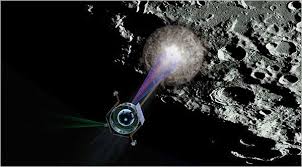
Cape Canaveral, September 25, 2025 — In a groundbreaking scientific breakthrough, NASA has officially confirmed the presence of frozen water deposits at the Moon’s South Pole, marking one of the most significant discoveries in modern space exploration.
The finding, announced by NASA Administrator Bill Nelson, comes after data collected by the Artemis Lunar Reconnaissance Orbiter and India’s Chandrayaan-3 mission revealed large pockets of ice hidden beneath the lunar surface. Scientists believe this discovery could revolutionize future space missions, providing astronauts with the ability to produce drinking water, breathable oxygen, and even rocket fuel directly from the Moon.
“This discovery changes everything,” Nelson said during the press briefing. “It means our next step toward a permanent lunar base — and eventually Mars — is no longer science fiction.”
The discovery comes as part of NASA’s Artemis Program, which aims to return humans to the Moon by 2026 and establish a sustainable presence there. International collaboration has played a major role, with India, Japan, and the European Space Agency contributing technology and data analysis.
Experts say the Moon’s South Pole — where sunlight rarely reaches and temperatures can plunge below -200°C — could hold billions of gallons of frozen water, locked away for billions of years.
This discovery has reignited global interest in lunar exploration. Private space companies such as SpaceX, Blue Origin, and ISRO are already preparing for missions focused on mining and utilizing lunar resources.
With this breakthrough, humanity moves closer to the dream of a permanent human presence beyond Earth — and the Moon, once seen as unreachable, may soon become our next home.
NASA #MoonDiscovery #SpaceExploration #ArtemisProgram #Chandrayaan3 #LunarMission #ScienceNews #SpaceX #FutureOfSpace #ZopitarNews